Come Reason Courses and Bible Studies

Uncovering the Hidden Riches of Christian History

- Description
- Curriculum
- Reviews
- Grade
Uncovering the Hidden Riches of Christian History is a transformative eight/sixteen-week online video class series, where we embark on an extraordinary journey through the annals of Christian history, tracing the profound impact of Christianity on Western civilization. We delve into the captivating narratives of world-shaping events as well as highlight influential Christian philosophers and personalities, spanning across history from the first century to the Reformation. Students will be enlightened, inspired, and amazed as they unlock the secrets of the past and discover how relevant Christianity shaped the world we inhabit today.
Project Overview
In each class, students will not only witness captivating video lectures but also engage in immersive reading assignments carefully curated to deepen their understanding and spark their intellectual curiosity. Our aim is to provide a holistic learning experience that breaks through the church’s current lethargy and connects Christians to the wisdom of their forebears. But that’s not all—we’ve infused our courses with an exciting blend of modern pop culture references. Through relatable examples and analogies drawn from contemporary films, music, and literature, we ensure that the lectures remain engaging, entertaining, and fun.
Unit Synopses
Unit 1 – Eleven Breaking Into the Upside-down
The first Christians were part of a world that was so different to our own that we would hardly recognize it. Not only did they battle persecution and discrimination, the very values we now take for granted like individuals being equal were considered strange and dangerous. Rome saw the teachings of Christianity as a threat to their culture, and they were right. The eleven apostles took the Gospel of Jesus and broke through the upside-down culture of ancient Rome to establish a new way of thinking and a new, compassionate morality, often paying for it with their blood.
Unit 2 – Are We Living In the Matrix?
As Christianity gained more and more adherents in the second and third centuries, another threat rose against it. This time, instead of persecuting from without, new cults sprang up threatening to corrupt it from within. The most prevalent of these were the various forms of Gnosticism, each of which denied the reality of the physical world and held up the spiritual as a higher level of being. These classes highlight the fight against Gnosticism and show why the early church held that God is the one true God of the material world—including our bodies and our biology—as well as the spiritual!
Unit 3 — The Canon Heard ‘Round the World
Today, we hear a lot about the so-called “Lost Books” of the Bible. The charge is made that somehow the church hand-selected only those documents that would keep them in power and other equally valid texts were ignored. Is this true? In our next classes within the series, we discuss how the Bible canon developed, why there are good reasons to leave others like those “Lost Gospels” out, and just how we know these 66 books are truly the word of God.
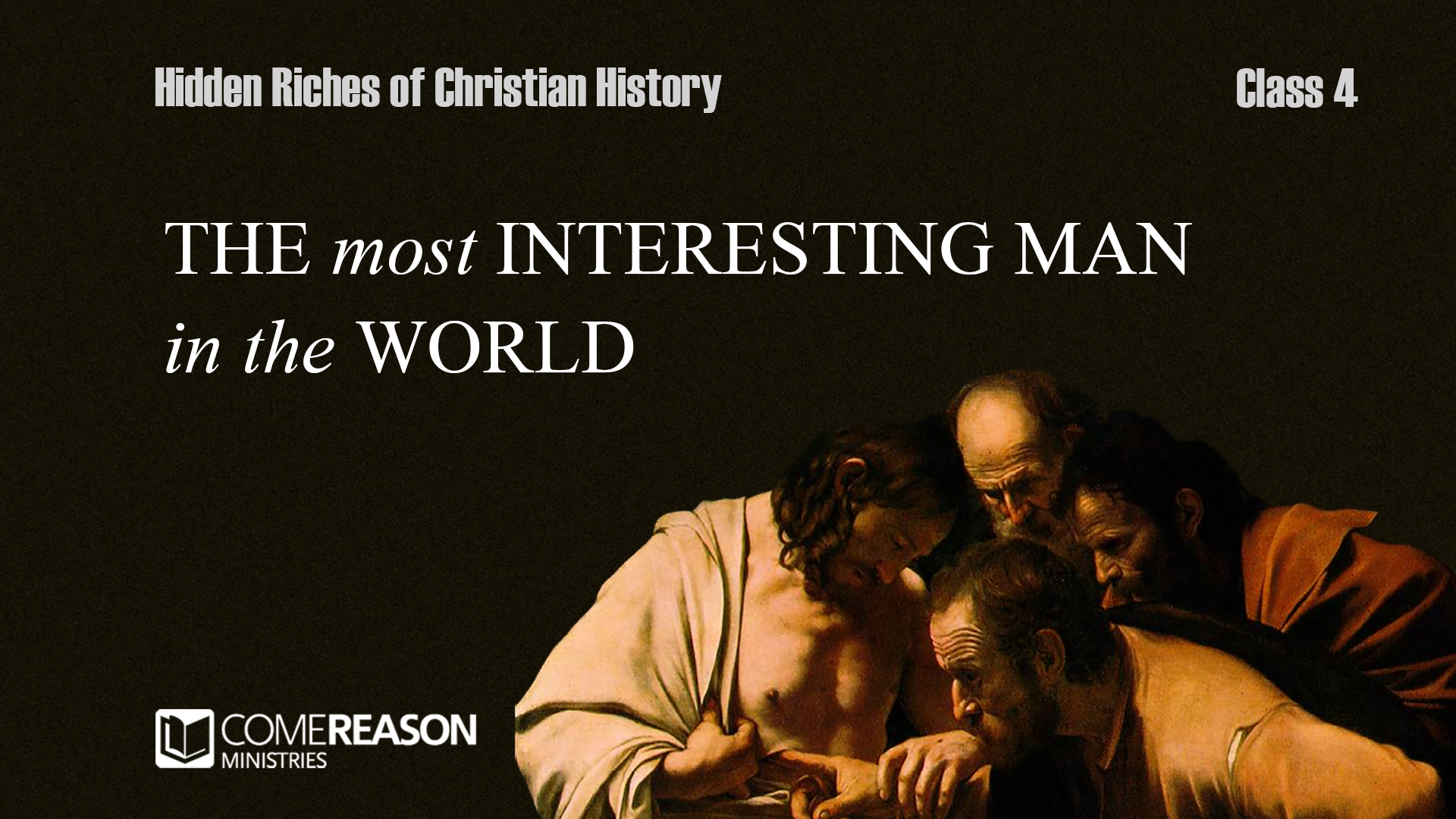
Unit 4 – The Most Interesting Man in the World
What beliefs define a true Christian? That was a key question after Constantine barred Christian persecution, lifting them from prisons to palaces. In the fourth and fifth centuries, arguments about Jesus centered around his divinity and humanity. Was he God like God the Father or a created man? How did that work out specifically? In this part of our lecture series, we will explore how the early church affirmed Jesus’s full humanity as well as his full divinity and why these things are crucial even for us today.
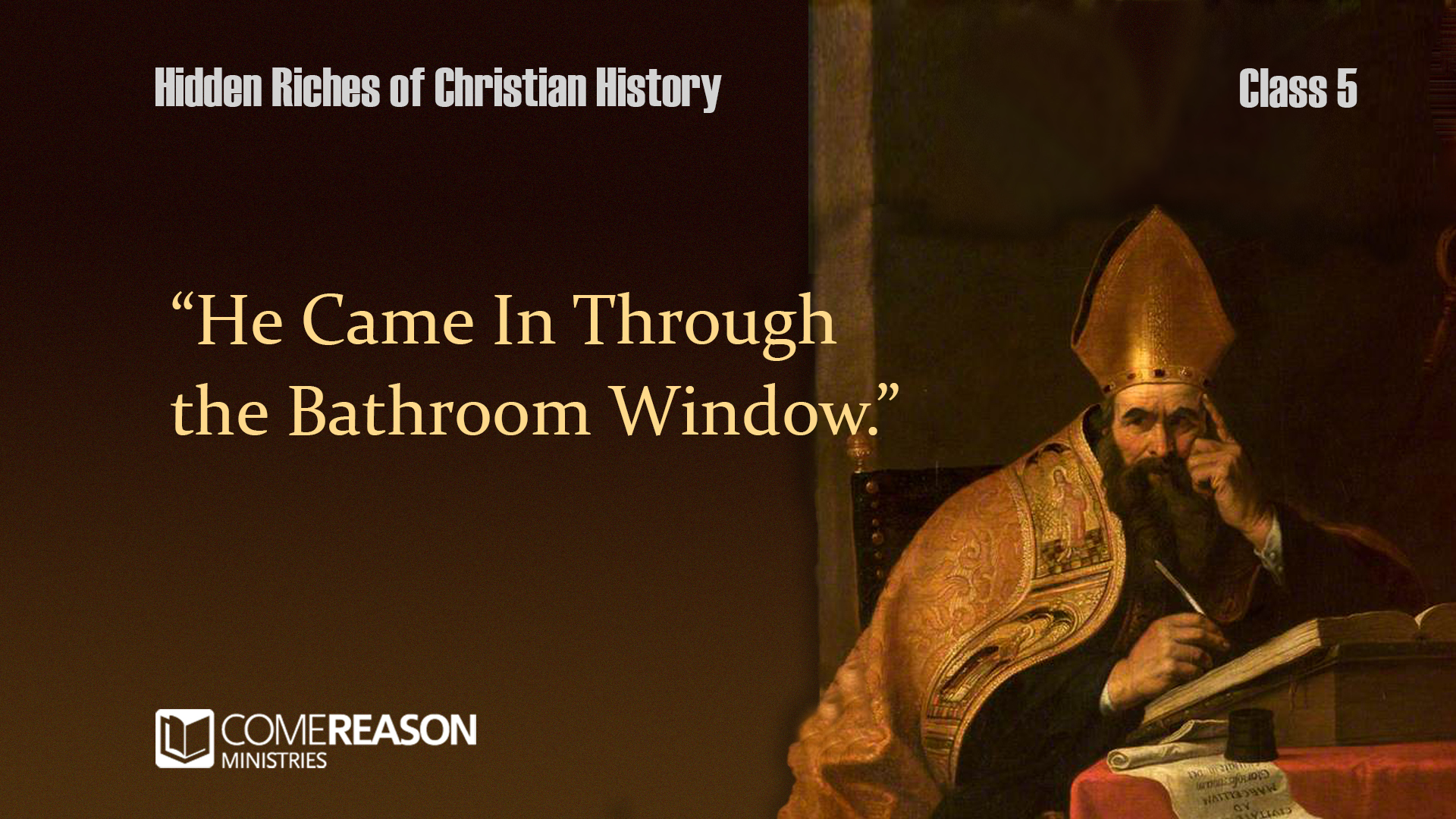
Unit 5 – He Came in Through the Bathroom Window
Most Christians have heard about the twelve ragtag followers Jesus picked out to be his disciples, but many don’t know about those he saved in the subsequent centuries. In the next installments of our class, we examine two key figures who both had a tremendous impact in shaping Christian thought. Athanasius was a staunch defender of the Trinity, even though he faced decades of resistance and persecution. Augustine went from a carnal pagan to a cultist to one of the most influential thinkers in all Christendom—one whose arguments even shut down the New Atheists today.
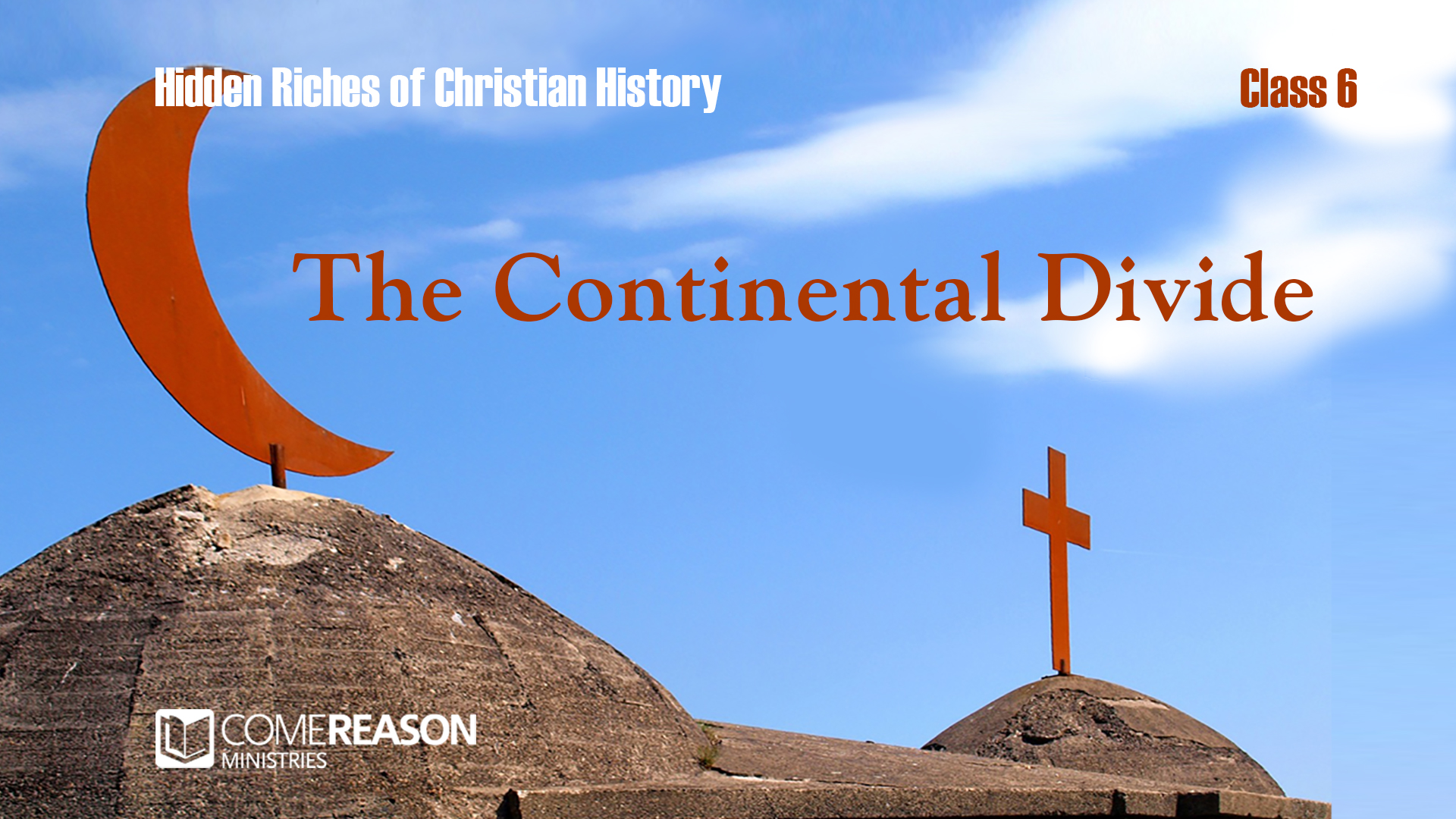
Unit 6 – The Continental Divide
Why is the church so fractured? Christianity today is known by its various denominations and groups, but that hasn’t always been the case. In these lectures, we discover how both political division within Christian hierarchy and the rise of Islam and the Crusaders helped cleave the Christian world in two. We also explore and examine the dangers that exist when faith supposedly once for all delivered to the saints becomes more focused on power and politics than people.
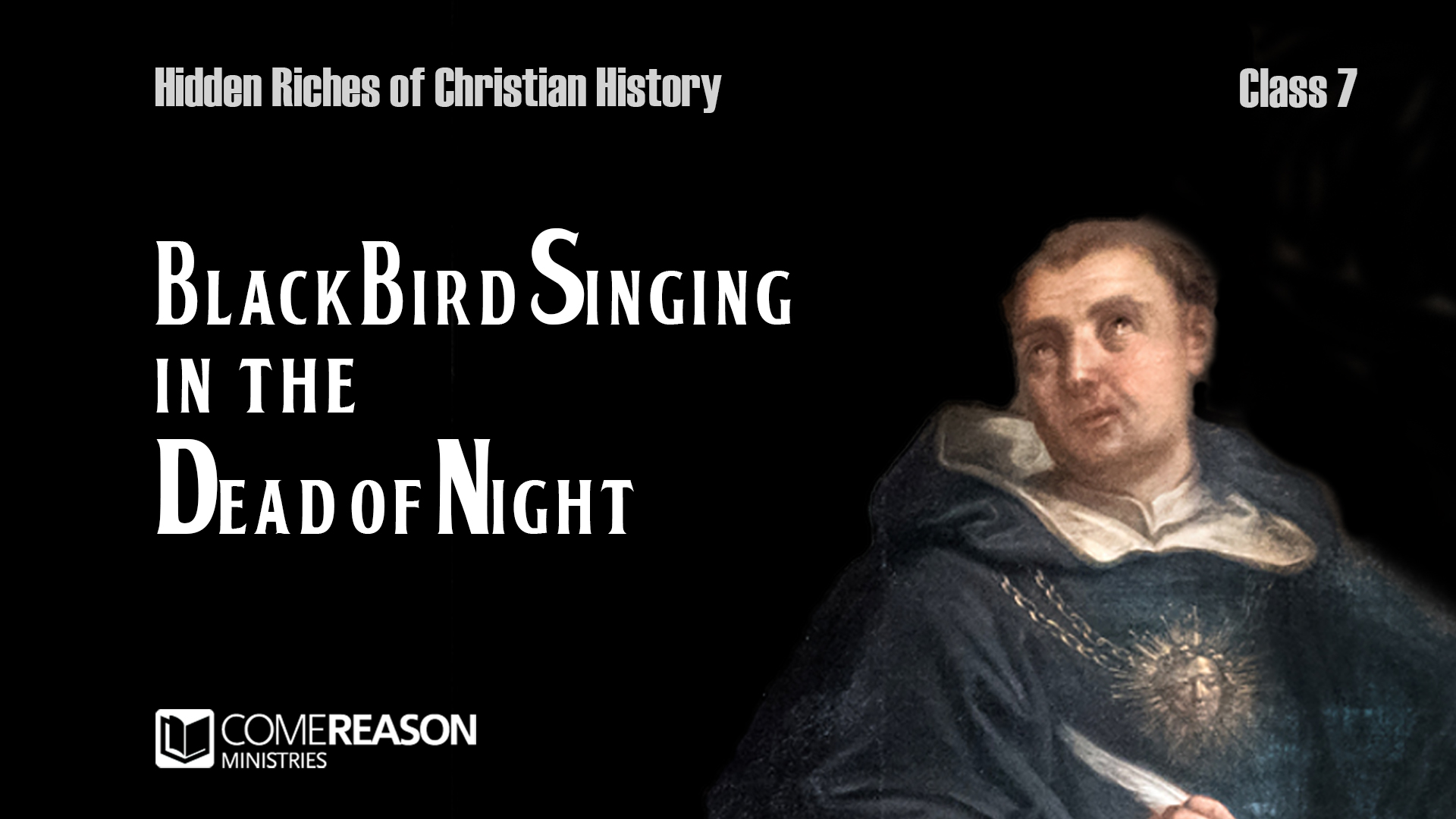
Unit 7 – Blackbird Singing in the Dead of Night
Although it’s popular to caricature the medieval period with the label “the Dark Ages,” it was filled with brilliant thinkers who made significant advancements in human knowledge. In these classes we learn just how strong a foundation Christianity laid for our modern world. Because of Christianity, the modern university was birthed in the Middle Ages. We discover Anselm and Thomas Aquinas and how Christian beliefs set the stage for modern science.
Unit 8 – The Rebellion Versus the Empire
Coming out of the Middle Ages, Christianity was again in a state of transformation. Christian teachings had taken hold throughout Europe, but the church hierarchy had become political and corrupt. Reformers like Wycliffe, Hus, and Luther sought to return Jesus’s teachings to the people. In this last set of talks, Lenny outlines the seeds of the Protestant Reformation, the motivations of the reformers, and those five key points that mark modern Protestant faiths today.
- 1

 Course Syllabus (PDF Download)
Here is the syllabus for Uncovering the Hidden Riches of Christian History. It contains all the details of th course as well as descriptions ofr all the units and links to appropriate materials beyond the video lectures.
- 2
 Lesson 1: Living In The Upside-Down
 - 3Lesson 2: Attack of the Mind-Flayers
The first Christians were part of a world that was so different to our own that we would hardly recognize it. Not only did they battle persecution and discrimination, the very values we now take for granted like individuals being equal were considered strange and dangerous. Rome saw the teachings of Christianity as a threat to their culture, and they were right. The eleven apostles took the Gospel of Jesus and broke through the upside-down culture of ancient Rome to establish a new way of thinking and a new, compassionate morality, often paying for it with their blood.
- 4
 Hidden Riches Unit 1 Quiz: Eleven Breaking Into the Upside-DownThis will test your knowledge of the first two lessons in comprising unit 1. All answers may be discovered from the lectures.
- 5Lesson 3: The Reason for Heresy
As Christianity gained more and more adherents in the second and third centuries, another threat rose against it. This time, instead of persecuting from without, new cults sprang up threatening to corrupt it from within. The most prevalent of these were the various forms of Gnosticism, each of which denied the reality of the physical world and held up the spiritual as a higher level of being. These classes highlight the fight against Gnosticism and show why the early church held that God is the one true God of the material world—including our bodies and our biology—as well as the spiritual!
- 6Lesson 4: Gnosticism – The World is an Illusion
As Christianity gained more and more adherents in the second and third centuries, another threat rose against it. This time, instead of persecuting from without, new cults sprang up threatening to corrupt it from within. The most prevalent of these were the various forms of Gnosticism, each of which denied the reality of the physical world and held up the spiritual as a higher level of being. These classes highlight the fight against Gnosticism and show why the early church held that God is the one true God of the material world—including our bodies and our biology—as well as the spiritual!
- 7Hidden Riches Unit 2 Quiz: Are We Living in the Matrix?This quiz will test your knowledge of the lessons that make up Unit #2. All answers to the questions below are found in the lecture videos.
- 8Lesson 5: What Does It Mean to Be Canonical?
Today, we hear a lot about the so-called “Lost Books” of the Bible. The charge is made that somehow the church hand-selected only those documents that would keep them in power and other equally valid texts were ignored. Is this true? In our next classes within the series, we discuss how the Bible canon developed, why there are good reasons to leave others like those “Lost Gospels” out, and just how we know these 66 books are truly the word of God.
- 9Lesson 6: Establishing the New Testament
Today, we hear a lot about the so-called “Lost Books” of the Bible. The charge is made that somehow the church hand-selected only those documents that would keep them in power and other equally valid texts were ignored. Is this true? In our next classes within the series, we discuss how the Bible canon developed, why there are good reasons to leave others like those “Lost Gospels” out, and just how we know these 66 books are truly the word of God.
- 10Hidden Riches Unit #3 Quiz: The Canon Heard ‘Round the WorldThis quiz will test your knowledge of the lessons that make up Unit #3. All answers to the questions below are found in the lecture videos.
- 11Lesson 7: What Defines a True Christian?
What beliefs define a true Christian? That was a key question after Constantine barred Christian persecution, lifting them from prisons to palaces. In the fourth and fifth centuries, arguments about Jesus centered around his divinity and humanity. Was he God like God the Father or a created man? How did that work out specifically? In this part of our lecture series, we will explore how the early church affirmed Jesus’s full humanity as well as his full divinity and why these things are crucial even for us today.
- 12Lesson 8: Councils on Christ
What beliefs define a true Christian? That was a key question after Constantine barred Christian persecution, lifting them from prisons to palaces. In the fourth and fifth centuries, arguments about Jesus centered around his divinity and humanity. Was he God like God the Father or a created man? How did that work out specifically? In this part of our lecture series, we will explore how the early church affirmed Jesus’s full humanity as well as his full divinity and why these things are crucial even for us today.
- 13Hidden Riches Unit #4 Quiz: The Most Interesting Man in the WorldThis quiz will test your knowledge of the lessons that make up Unit #5. All answers to the questions below are found in the lecture videos.
- 14Lesson 9: Athanatius: The Bishop Who Wasn't There
Most Christians have heard about the twelve ragtag followers Jesus picked out to be his disciples, but many don’t know about those he saved in the subsequent centuries. In the next installments of our class, we examine two key figures who both had a tremendous impact in shaping Christian thought. Athanasius was a staunch defender of the Trinity, even though he faced decades of resistance and persecution. Augustine went from a carnal pagan to a cultist to one of the most influential thinkers in all Christendom—one whose arguments even shut down the New Atheists today.
- 15Lesson 10: Augustine: The Fleshly Theologian
Most Christians have heard about the twelve ragtag followers Jesus picked out to be his disciples, but many don’t know about those he saved in the subsequent centuries. In the next installments of our class, we examine two key figures who both had a tremendous impact in shaping Christian thought. Athanasius was a staunch defender of the Trinity, even though he faced decades of resistance and persecution. Augustine went from a carnal pagan to a cultist to one of the most influential thinkers in all Christendom—one whose arguments even shut down the New Atheists today.
- 16Hidden Riches Unit #5 Quiz
- 17Lesson 11: Christianity Divided
Why is the church so fractured? Christianity today is known by its various denominations and groups, but that hasn’t always been the case. In these lectures, we discover how both political division within Christian hierarchy and the rise of Islam and the Crusaders helped cleave the Christian world in two. We also explore and examine the dangers that exist when faith supposedly once for all delivered to the saints becomes more focused on power and politics than people.
- 18Lesson 12: The Rise of Islam
Why is the church so fractured? Christianity today is known by its various denominations and groups, but that hasn’t always been the case. In these lectures, we discover how both political division within Christian hierarchy and the rise of Islam and the Crusaders helped cleave the Christian world in two. We also explore and examine the dangers that exist when faith supposedly once for all delivered to the saints becomes more focused on power and politics than people.
- 19Hidden Riches Unit #6 Quiz
- 20Lesson 13: The Light in the Dark Ages
Although it’s popular to caricature the medieval period with the label “the Dark Ages,” it was filled with brilliant thinkers who made significant advancements in human knowledge. In these classes we learn just how strong a foundation Christianity laid for our modern world. Because of Christianity, the modern university was birthed in the Middle Ages. We discover Anselm and Thomas Aquinas and how Christian beliefs set the stage for modern science.
- 21Lesson 14: The "Ox" Thomas Aquinas
Although it’s popular to caricature the medieval period with the label “the Dark Ages,” it was filled with brilliant thinkers who made significant advancements in human knowledge. In these classes we learn just how strong a foundation Christianity laid for our modern world. Because of Christianity, the modern university was birthed in the Middle Ages. We discover Anselm and Thomas Aquinas and how Christian beliefs set the stage for modern science.
- 22Lesson 15: Background to the Reformation
Coming out of the Middle Ages, Christianity was again in a state of transformation. Christian teachings had taken hold throughout Europe, but the church hierarchy had become political and corrupt. Reformers like Wycliffe, Hus, and Luther sought to return Jesus’s teachings to the people. In this last set of talks, Lenny outlines the seeds of the Protestant Reformation, the motivations of the reformers, and those five key points that mark modern Protestant faiths today.
- 23Lesson 16: Martin Luther and the Five Solas Are Not A Singing Group!
Coming out of the Middle Ages, Christianity was again in a state of transformation. Christian teachings had taken hold throughout Europe, but the church hierarchy had become political and corrupt. Reformers like Wycliffe, Hus, and Luther sought to return Jesus’s teachings to the people. In this last set of talks, Lenny outlines the seeds of the Protestant Reformation, the motivations of the reformers, and those five key points that mark modern Protestant faiths today.

